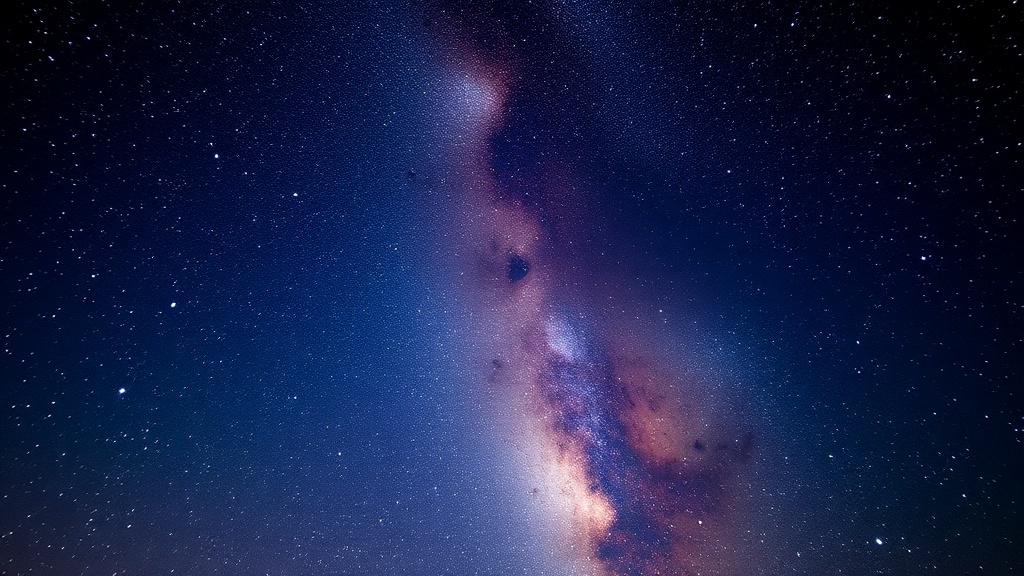
Revealing the Galactic Core: A Guide to Photographing the Milky Way

Revealing the Galactic Core: A Guide to Photographing the Milky Way
Imagine standing beneath an utterly dark sky, the kind of darkness where the stars aren’t just pinpricks but a thick, luminous band arching overhead. That profound, humbling sight is the Milky Way, our home galaxy, and for many night photographers, it’s the ultimate celestial subject. Capturing its ethereal glow isn’t just about pointing your camera at the sky; it requires precision, planning, and a bit of specialized knowledge. This guide will walk you through the journey from locating the Milky Way to finessing your camera settings and framing techniques, enabling you to bring home breathtaking images that convey the true wonder of the cosmos.
What gear do I need to begin photographing the Milky Way?
Stepping into Milky Way photography means understanding that your equipment plays a significant role. You don't need the most expensive kit on the market, but certain specifications make a substantial difference. At the core, you’ll need a camera that performs well in low light—typically a DSLR or mirrorless camera with good high ISO capabilities. Full-frame sensors tend to excel here, but modern APS-C cameras can certainly get the job done. The key is how effectively your camera manages noise at higher ISOs.
Your lens choice is arguably even more important than the camera body. A fast, wide-angle lens is your best friend. We're talking focal lengths between 14mm and 24mm (on a full-frame sensor) with a wide maximum aperture, ideally f/2.8 or wider (f/1.8, f/1.4 if you have them). A wider aperture collects more light in a shorter time, which is paramount for revealing the faint details of the galaxy. This also helps keep your ISO lower, thus reducing noise. The wider field of view lets you encompass more of the galactic arc and incorporate compelling foreground elements into your composition.
A sturdy tripod is non-negotiable. With exposure times stretching into the tens of seconds, any movement—even a slight breeze—will blur your stars. Invest in one that can securely hold your camera setup steady. Beyond that, a remote shutter release or your camera's built-in 2-second timer is a must to prevent camera shake when you press the shutter button. Extra batteries are also highly advisable; long exposures in cold night air drain power surprisingly quickly. Finally, a headlamp with a red light setting preserves your night vision while allowing you to adjust settings or navigate your surroundings.
How do I find the best locations and timing for capturing the Milky Way?
Finding the Milky Way isn't always as simple as looking up; light pollution, moon phase, and time of year all factor in. The most impactful images come from truly dark skies. To locate these, you’ll want to consult light pollution maps—they often use the Bortle scale, with lower numbers indicating darker skies. Websites like